GOV Campus

Research

Access transformative insights, data-driven reports, and expert research shaping the future of governance and leadership

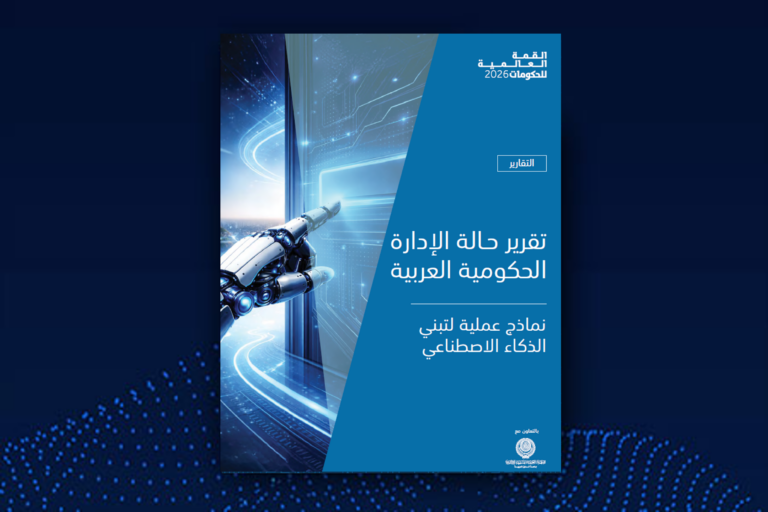
Combines a regional survey and in-depth dialogues with more than 1,600 Arab ministers, senior officials, and government employees on AI. Provides a practical, ground-level assessment of how AI is being used across Arab governments, with a focus on high-impact use cases. Explores how AI is reshaping government design, decision-making.

This Guide turns “agentic artificial intelligence” from a technical concept into a practical model for how governments can operate in the coming decade. It outlines what agent-based systems are, how they make decisions, and the new kinds of workflows they can safely automate. By connecting global examples, real administrative challenges, and a new generation of AI capabilities, it helps public-sector leaders rethink how governments can deliver services with greater speed, accuracy, and resilience.


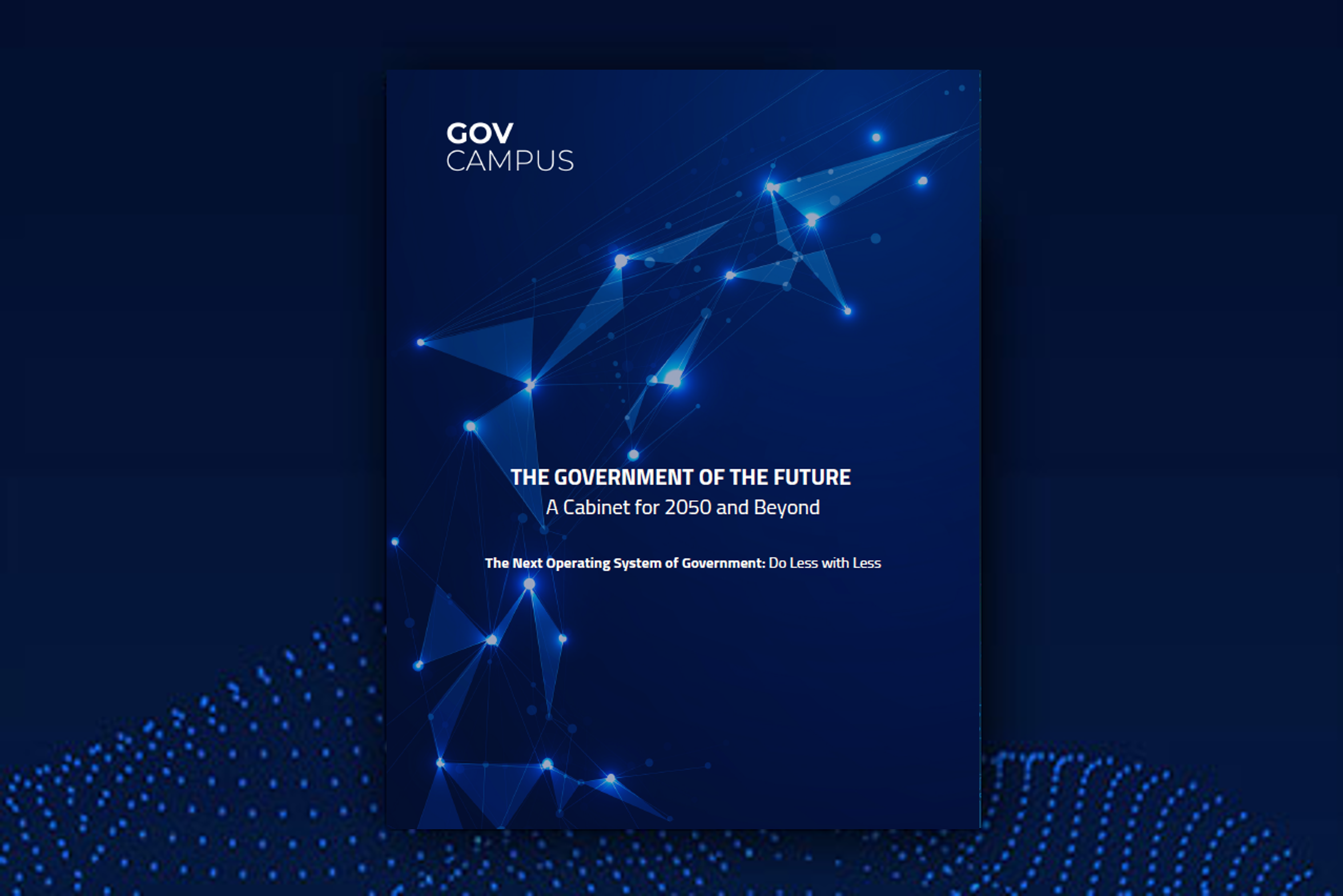
This memo turns “future of government” from buzzword into a concrete Cabinet of 2050, outlining new roles, responsibilities, and an ethical code for the future bureaucrat. By blending lessons from Ibn Khaldun, real-world global examples, and plausible new ministerial portfolios, it helps public-sector leaders rethink how states can govern AI, resilience, and social cohesion—not just for today’s citizens, but for generations to come. Created by Gov Campus, it’s a practical thought-starter for anyone redesigning government in the age of algorithms.

This guide turns AI from jargon into action by distilling 28 essential terms into plain language and public-sector examples, so leaders and staff can make confident decisions, design better services, and govern AI responsibly. It’s part of the “AI in Government Work: Unlocking AI’s Full Potential” series from Gov Campus, created specifically to equip government officials with a practical, leadership-ready vocabulary for the AI era.

Governments today face rising demands for smarter, faster, and more transparent services. Artificial Intelligence offers powerful opportunities, yet its true value depends on how effectively leaders can guide it. Prompt engineering, the art of crafting clear and precise instructions, emerges as a critical leadership skill, enabling officials to harness AI for better decisions, greater efficiency, and innovative solutions.

Governments today stand at the threshold of a potential productivity revolution, driven by artificial intelligence (AI) and emerging technologies. Yet, a silent crisis looms, threatening to undermine progress: the acute shortage of skilled technology professionals. This talent scarcity is not just just another challenge; it will be a mission-critical one with far-reaching implications. Without decisive action, governments risk stagnation at a time when the demand for smarter, faster, and more efficient public services is higher than ever.

Artificial Intelligence (AI) represents not
just a technological shift, but a
generational opportunity—and risk—for
governments worldwide. As AI rapidly
redefines how societies operate, the
responsibility falls on public institutions
to lead its integration responsibly and
strategically. The moment to act is now.

In its fourth edition, the report provides a detailed examination of the productivity of the Arab government sector, based on insights from over 1,600 government employees across the region. It highlights the challenges affecting productivity and explores the growing role of technology and artificial intelligence in transforming government operations.

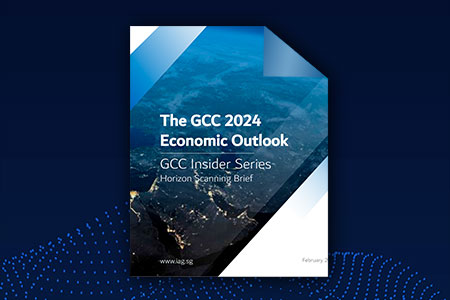
The GCC 2024 Economic Outlook highlights robust economic growth driven by diversification efforts, fiscal reforms, and a strategic focus on green energy initiatives. Despite global uncertainties, the region benefits from strong oil revenues, increasing foreign investment, and enhanced trade partnerships.

The article emphasizes the Gulf Cooperation Council’s shift toward investing in “soft infrastructure” to ensure sustainable growth amid global economic disruptions. By focusing on education, skills development, research, and innovation, the GCC aims to build a knowledge-based economy, moving beyond reliance on oil revenues. 

Examines the transformative role of data science in improving public sector efficiency and decision-making. Highlights applications in urban planning, crisis management, and public services. Focuses on leveraging advanced analytics to drive transparency and innovation in governance.

Focuses on how innovation labs enable governments to address complex issues with forward-thinking approaches. Discusses methods for fostering collaboration and creativity within public sector frameworks. Highlights their contribution to shaping effective solutions and advancing sustainable policies.

Explores strategies for government leaders to navigate future challenges with agility and innovation. Highlights modern leadership tools and practices essential for driving transformation in public institutions. Offers insights into building sustainable and effective governance models.

Examines how digital tools are reshaping the relationship between governments and communities. Highlights interactive platforms and strategies for fostering transparency and trust. Focuses on leveraging technology to enhance civic participation and communication.

Analyzes the role of financial inclusion in fostering sustainable economic growth globally. Highlights innovative solutions and strategies for expanding access to financial services. Provides actionable insights into bridging economic gaps and empowering underserved communities.

Explores emerging trends shaping governance in the 21st century, emphasizing adaptability and innovation. Highlights challenges and opportunities for governments in a rapidly changing global landscape. Provides frameworks for fostering resilience, transparency, and citizen engagement.

Explores transformative governance models to address modern challenges effectively. Emphasizes agility, inclusivity, and innovation as key pillars for future governments. Provides actionable strategies for adapting to global shifts and fostering sustainable development.

Focuses on the essential skills required to thrive in a rapidly evolving workforce. Highlights strategies for upskilling and reskilling to meet the demands of emerging industries. Provides insights into fostering adaptability and lifelong learning for sustainable career growth.

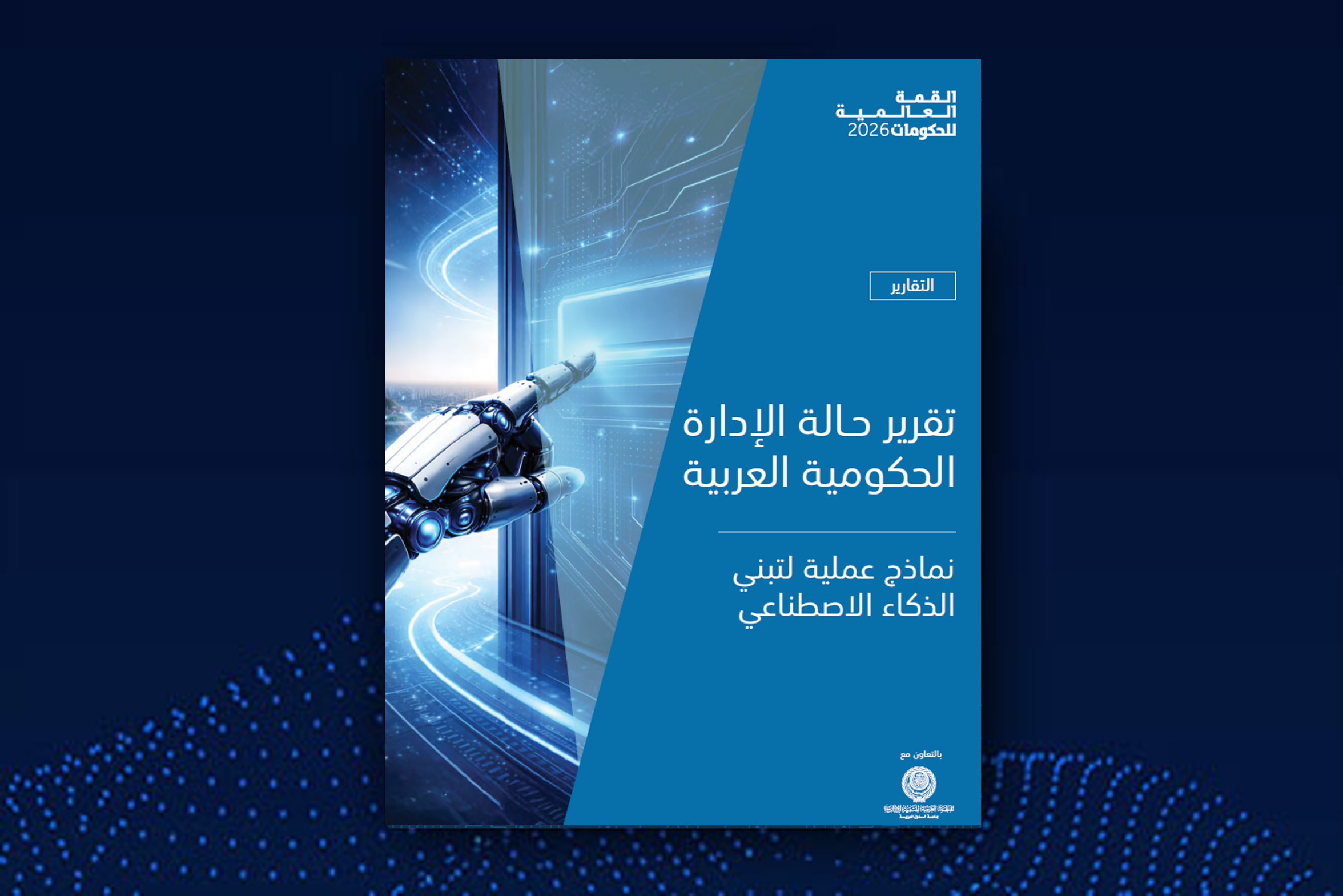
Examines the current state and future of government administration across the Arab world. Highlights challenges in public sector reform and opportunities for innovation and modernization. Offers strategic recommendations to enhance governance, efficiency, and citizen-centric services.

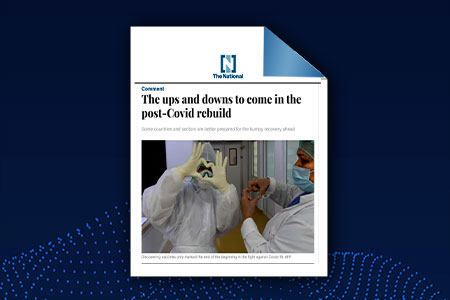
Analyzes the economic and social challenges nations face in recovering from the COVID-19 pandemic. Highlights the disparities in rebuilding efforts and the importance of inclusive strategies. Offers insights into balancing innovation, resilience, and equity in post-crisis planning.

Explores the UAE’s advancements in establishing itself as a global technology leader. Highlights key initiatives driving innovation, including AI and digital transformation projects. Examines the nation’s strategic focus on fostering a tech-driven economy and attracting global talent.

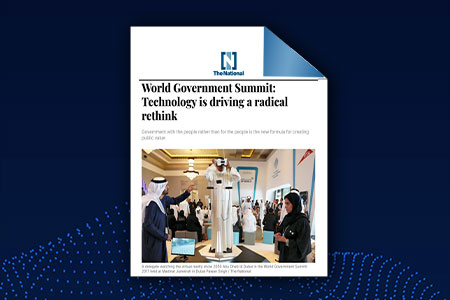
Explores how technology is transforming governance models and policymaking. Highlights discussions from the World Government Summit on AI, blockchain, and digital innovation. Emphasizes the need for adaptive leadership to harness technological advancements for global progress.

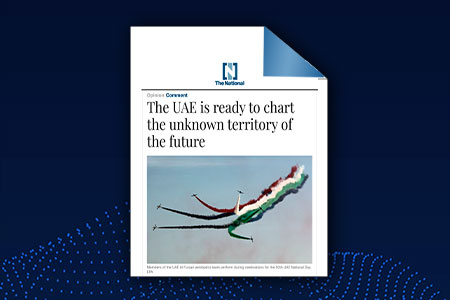
The UAE is pioneering a bold vision for the future by embracing innovation, sustainability, and global partnerships. With a focus on shaping emerging industries and fostering resilience, it positions itself as a leader in navigating uncharted challenges. This forward-thinking approach reflects the nation’s commitment to progress and adaptability in an evolving world.

Combines a regional survey and in-depth dialogues with more than 1,600 Arab ministers, senior officials, and government employees on AI. Provides a practical, ground-level assessment of how AI is being used across Arab governments, with a focus on high-impact use cases. Explores how AI is reshaping government design, decision-making.

This Guide turns “agentic artificial intelligence” from a technical concept into a practical model for how governments can operate in the coming decade. It outlines what agent-based systems are, how they make decisions, and the new kinds of workflows they can safely automate. By connecting global examples, real administrative challenges, and a new generation of AI capabilities, it helps public-sector leaders rethink how governments can deliver services with greater speed, accuracy, and resilience.

This memo turns “future of government” from buzzword into a concrete Cabinet of 2050, outlining new roles, responsibilities, and an ethical code for the future bureaucrat. By blending lessons from Ibn Khaldun, real-world global examples, and plausible new ministerial portfolios, it helps public-sector leaders rethink how states can govern AI, resilience, and social cohesion—not just for today’s citizens, but for generations to come. Created by Gov Campus, it’s a practical thought-starter for anyone redesigning government in the age of algorithms.

This guide turns AI from jargon into action by distilling 28 essential terms into plain language and public-sector examples, so leaders and staff can make confident decisions, design better services, and govern AI responsibly. It’s part of the “AI in Government Work: Unlocking AI’s Full Potential” series from Gov Campus, created specifically to equip government officials with a practical, leadership-ready vocabulary for the AI era

Governments today face rising demands for smarter, faster, and more transparent services. Artificial Intelligence offers powerful opportunities, yet its true value depends on how effectively leaders can guide it. Prompt engineering, the art of crafting clear and precise instructions, emerges as a critical leadership skill, enabling officials to harness AI for better decisions, greater efficiency, and innovative solutions.

Governments today stand at the threshold of a potential productivity revolution, driven by artificial intelligence (AI) and emerging technologies. Yet, a silent crisis looms, threatening to undermine progress: the acute shortage of skilled technology professionals. This talent scarcity is not just just another challenge; it will be a mission-critical one with far-reaching implications. Without decisive action, governments risk stagnation at a time when the demand for smarter, faster, and more efficient public services is higher than ever.

In its fourth edition, the report provides a detailed examination of the productivity of the Arab government sector, based on insights from over 1,600 government employees across the region. It highlights the challenges affecting productivity and explores the growing role of technology and artificial intelligence in transforming government operations

An in-depth analysis of economic trends and shaping the Gulf Cooperation Council in 2024. Highlights include growth strategies in energy, technology, and diversification. Offers valuable insights for addressing regional challenges and fostering sustainable development
Explore the role of economic diplomacy in enhancing the UAE’s soft power. Highlights strategies for expanding trade partnerships and the impact of sovereign wealth funds on sustainable development. Emphasizes the significance of foreign aid in strengthening international relations

An analysis of the critical political, economic, and social risks impacting the Gulf Cooperation Council. Explores structural vulnerabilities and their effects on regional stability and growth. Offers a strategic framework for managing risks and enhancing resilience

Examines the transformative role of data science in improving public sector efficiency and decision-making. Highlights applications in urban planning, crisis management, and public services. Focuses on leveraging advanced analytics to drive transparency and innovation in governance

Focuses on how innovation labs enable governments to address complex issues with forward-thinking approaches. Discusses methods for fostering collaboration and creativity within public sector frameworks. Highlights their contribution to shaping effective solutions and advancing sustainable policies

Explores strategies for government leaders to navigate future challenges with agility and innovation. Highlights modern leadership tools and practices essential for driving transformation in public institutions. Offers insights into building sustainable and effective governance models
Examines how digital tools are reshaping the relationship between governments and communities. Highlights interactive platforms and strategies for fostering transparency and trust. Focuses on leveraging technology to enhance civic participation and communication

Analyzes the role of financial inclusion in fostering sustainable economic growth globally. Highlights innovative solutions and strategies for expanding access to financial services. Provides actionable insights into bridging economic gaps and empowering underserved communities

Explores emerging trends shaping governance in the 21st century, emphasizing adaptability and innovation. Highlights challenges and opportunities for governments in a rapidly changing global landscape. Provides frameworks for fostering resilience, transparency, and citizen engagement

Explores transformative governance models to address modern challenges effectively. Emphasizes agility, inclusivity, and innovation as key pillars for future governments. Provides actionable strategies for adapting to global shifts and fostering sustainable development
Focuses on the essential skills required to thrive in a rapidly evolving workforce. Highlights strategies for upskilling and reskilling to meet the demands of emerging industries. Provides insights into fostering adaptability and lifelong learning for sustainable career growth
Examines the current state and future of government administration across the Arab world. Highlights challenges in public sector reform and opportunities for innovation and modernization. Offers strategic recommendations to enhance governance, efficiency, and citizen-centric services
This episode dives into the complexities of ethical leadership and decision-making in modern organizations. Highlights real-world examples of balancing profit with purpose to achieve meaningful impact. Offers thought-provoking discussions on aligning values with long-term organizational goals
Explores the UAE’s advancements in establishing itself as a global technology leader. Highlights key initiatives driving innovation, including AI and digital transformation projects. Examines the nation’s strategic focus on fostering a tech-driven economy and attracting global talent
COVID-19 pandemic. Highlights the disparities in rebuilding efforts and the importance of inclusive strategies. Offers insights into balancing innovation, resilience, and equity in post-crisis planning
Discusses the UAE’s forward-looking approach to navigating uncharted challenges and opportunities. Highlights initiatives in innovation, sustainability, and global collaboration. Showcases the nation’s commitment to shaping a resilient and future-ready economy
Explores how technology is transforming governance models and policymaking. Highlights discussions from the World Government Summit on AI, blockchain, and digital innovation. Emphasizes the need for adaptive leadership to harness technological advancements for global progress
Scroll to Top